General Pest Control
The starting visit when something is in the building and nobody has named it yet: an inspection of the structure, then a plan sized to what is actually found.
Mice in attached brick rows, Asian tiger mosquitoes breeding in drains, bed bugs moving between apartments and termite inspections for older frame houses. Call and someone takes the details.
Fastest: call (855) 974-4733. Or send this and we call you back.
Local weather drives activity here: heat, humidity and rain change what shows up week to week.
Trenton Pest Control takes pest calls for Trenton and the towns around it. Someone picks up and takes the details, a visit is arranged when a technician is free, and every job begins with an inspection rather than a product. The figure is explained after that inspection and before any work starts.
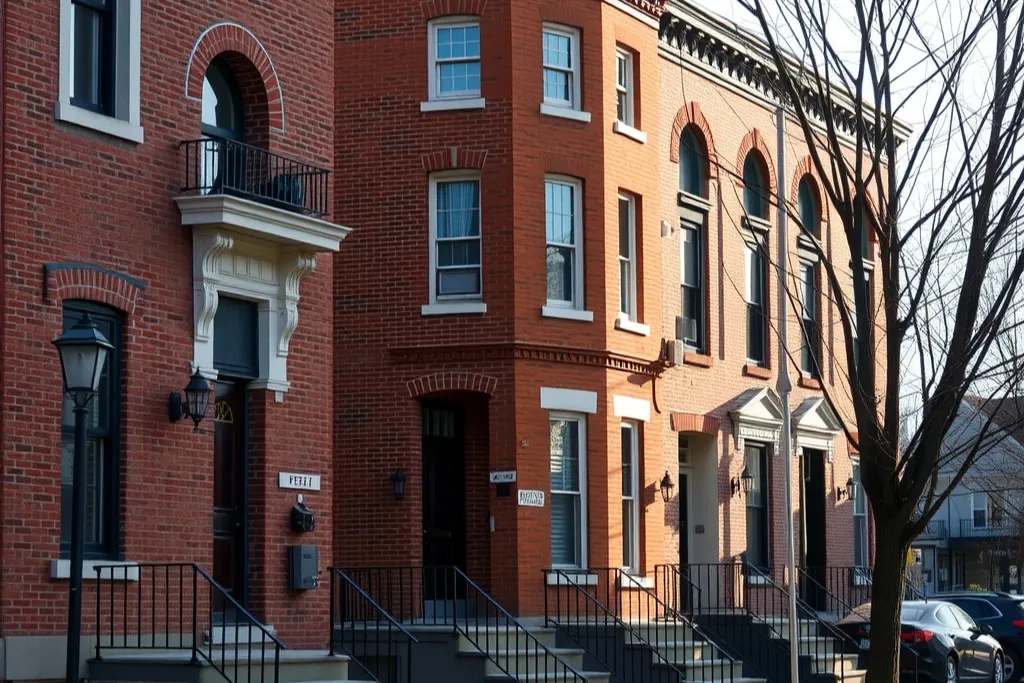
The housing here shapes the work. Downtown and the older wards are brick rowhouses and twins built close against one another, so a mouse or a cockroach in one house is often a shared wall away from the next. Where that is the case, treatment is planned for the row and not only for the address that called.
Water sets the calendar. Mercer County Mosquito Control puts most of its effort into treating standing water, and its research found drain pipes to be a major habitat for Asian tiger mosquitoes, so an inspection starts at the catch basins and downspouts as well as the garden. The Assunpink Creek and the Delaware have flooded the city repeatedly, and a flooded cellar is inspected once it has dried.
Calls about rodents rise as the weather turns, when the warmth of a building draws mice indoors. The gaps they use are usually small, old and close to the ground, and most visits here end with a list of openings and what was done about each one.
Pick a service for symptoms, process and typical cost, or call and describe what you hear and see.
The starting visit when something is in the building and nobody has named it yet: an inspection of the structure, then a plan sized to what is actually found.
A plan for house mice that starts with the route they use, then the sealing and the trapping, so the activity stops at its source rather than moving next door.
A plan for Norway rats that treats the burrow, the food source and the path along the foundation as one system, since a rat cleared from one spot can return from the next.
The sealing work that stops rodents from re-entering a building once they have been cleared, covering the gaps in brick, mortar, wood and the utility openings that pass through them.
A plan for attached housing that looks past one address to the row, the party wall and the shared basement, because a pest in one house is often a wall away from the next.
A plan for roaches that follows the harborage and the moisture they depend on, then works the kitchen, bath and drain routes that connect one unit to the next.
A plan for bed bugs that starts with a careful search of where the insects hide near beds and seating, then the preparation the household must do, then the sequence of treatment and checks.
A structural inspection that looks for termite signs in the foundation, the sill, the framing and the moisture around them, and that states what it found and what it did not.
The treatment stage that follows a written inspection, covering the methods a technician may recommend, the conditions that decide between them and the checks that follow.
A plan that follows the ant trail back to the colony and the moisture or food that draws it, so the work reaches the nest instead of only the workers on the counter.
A plan that finds the water a mosquito needs to breed, which in this city often sits in drains, downspouts, flowerpots and saucers, and removes or treats it before the adult insects arrive.
A plan for the pests that follow high water, which move into drying basements and ground floors, and the sequence of checks that finds them before they settle.
A plan for spiders that works on the insects they feed on and the cracks and clutter where they rest, rather than chasing each spider in the open.
A nest removal plan that starts with identifying the insect and the nest's location, then sets a safe approach for the nest's size, placement and the people who live nearby.
A plan that treats the whole life cycle of fleas and ticks, combining the pet, the bedding, the carpet and the yard, because treating only the animal leaves the eggs and larvae in the house.
A plan for beetles and moths that infest dry goods, which finds the infested packages, removes them and stops the spread to the rest of the pantry.
A written plan for businesses in Trenton that treats the building as a whole, covers shared walls and drains, and documents each visit so the owner can see what was done and why.
When you call Trenton Pest Control, someone picks up and takes the details. A visit is arranged when a technician is free, and no arrival time is promised before that is known.
Nothing is applied until someone has walked the outside at ground level, looked at the cellar or crawl space and found what is actually there.
The figure is explained item by item after the inspection on site, before any work begins.
Rodent work is written as a list of entry points, each one measured and closed or flagged for a trade that does the repair.
The findings say what was inspected, what was found, where anything was placed and what could not be reached.
Carpentry and drainage belong to other trades. You hear that at the start, with the reason, and not at the end.
Droppings in a pantry, insects on an upstairs window, soft wood by the cellar stairs. Each detail narrows the visit before anyone drives out.
Ground level outside, then the cellar or crawl space, then the rooms where signs were reported, then the attic hatch if there is one.
What was found and where, what is proposed, which parts belong to another trade, and the figure for each part before anything is agreed.
Treatment and sealing where approved, then a return visit where the findings call for one, to read the result rather than repeat the first visit.
Mice and rats in older attached housing, cockroaches in multi-unit buildings and Asian tiger mosquitoes around drains and containers. Each needs a different plan, so the first question on the phone is what has been seen.
Attached brick housing gives mice a route from one unit to the next, through the voids inside shared walls and at the openings where pipes come through. A rat is more often found on the ground, in runs along a foundation or a fence line, and its plan is built around the ground rather than the walls.
The insects follow water and warmth. Cockroaches gather where food and moisture meet in dense buildings, bed bugs move between units on belongings, and the mosquito season runs from late spring into the fall, when containers and drains hold the water the species needs.
Floodwater pushes animals out of the ground and the lower walls into whatever is still dry, and it leaves damp behind. The Trenton gauge has recorded 70 floods above its flood stage since 1932.
The Assunpink Creek and the Delaware both reach city streets and cellars. The gauge on the Delaware at Trenton recorded its highest reading in 2011, at 15.12 feet, and the 1975 flood on the Assunpink was greater than a 100-year event.
After the water drops, the cellar is the place to look. Insects and rodents pushed into it stay while the damp lasts, and wet wood can carry insects that feed on it. The inspection waits until the cellar has dried enough to probe. Pests after flooding covers that work.
They can be, especially where wood sits close to the soil. Subterranean termites are the species most associated with structural damage in the eastern United States, and an inspection is how a particular house is shown to have activity or not.
Wood siding that reaches the grade, porch posts set in soil, sills resting on damp masonry and crawl spaces that stay wet are the features that shorten the distance between a colony and the frame. The inspection looks for mud tubes, discarded wings and wood that gives under a probe.
This site prints no swarm dates and no local termite counts, because none were sourced for this area. What it can say is that the inspection comes first, and treatment follows only where the findings show activity. See termite inspection for the steps.
Someone picks up and takes the details, then a visit is arranged for the first technician who is free. You are told what the visit covers before it starts.
The call takes what you have seen and where, the age and layout of the building, and whether the cellar or crawl space can be reached. It is the quickest way to decide whether the visit should be a single inspection or a planned series of them.
Where a business premises is involved, the call notes opening hours and the areas that handle food or stock, so the visit can be arranged to suit the trade. Commercial pest control is planned as scheduled visits with records kept.
ZIP 08608
ZIP 08609
ZIP 08611
ZIP 08638
ZIP 08628
ZIP 08618
ZIP 08648
ZIP 08619
ZIP 08690
ZIP 08610
ZIP 08550
ZIP 08691
ZIP 08505
ZIP 08520
ZIP 08534
ZIP 08525
ZIP 08540, 08542, 08544
ZIP 08536
ZIP 08512
ZIP 08560
ZIP 08518
ZIP 19067
ZIP 19054, 19055, 19056, 19057, 19058
ZIP 19030
ZIP 19007
ZIP 18977
ZIP 19047
ZIP 18940
Trenton, NJ · 25 km service radiusCall (855) 974-4733
We also cover many smaller communities across Mercer County. Check your ZIP.


Tell us what's happening and we'll tell you honestly whether it's a quick fix, and what pest control should cost.
A quote in Trenton follows the scope of the work rather than the street address.
In an attached row, a mouse does not respect the property line.
The Asian tiger mosquito breeds in small pools of standing water, and in towns like Trenton those pools are often where no one looks.
A visit is arranged for the first technician who is free, and no arrival time is promised before that is known. When you call (855) 974-4733, someone picks up and takes the details, and the call can tell you what the visit will cover.
You get the factors: the size of the building, how reachable the cellar and perimeter are, the pest found and the number of visits. The figure is explained on site after the inspection, before anything is applied.
Yes, Trenton and the towns around it, including Ewing, Lawrence, Hamilton, Hopewell and Robbinsville. The areas page lists them and the ZIP check confirms coverage by code.
Yes. Commercial pest control is planned as scheduled visits with records kept, because a kitchen or an office has to show what was done and when.